The 2026 World Cup’s Secret Economy: How 48 Teams Are Making Billions
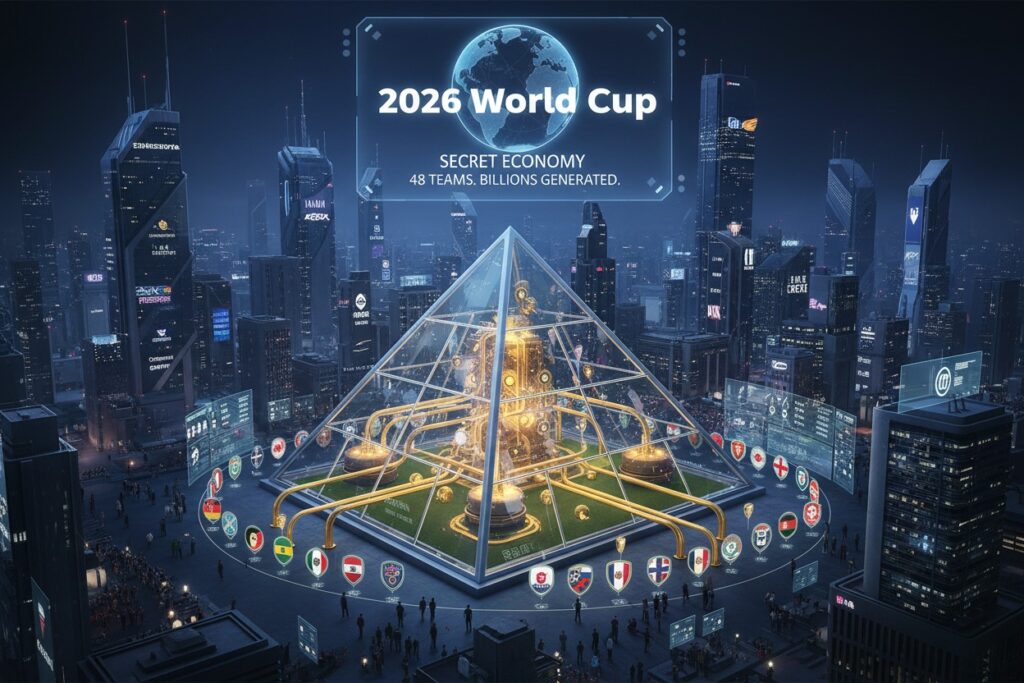
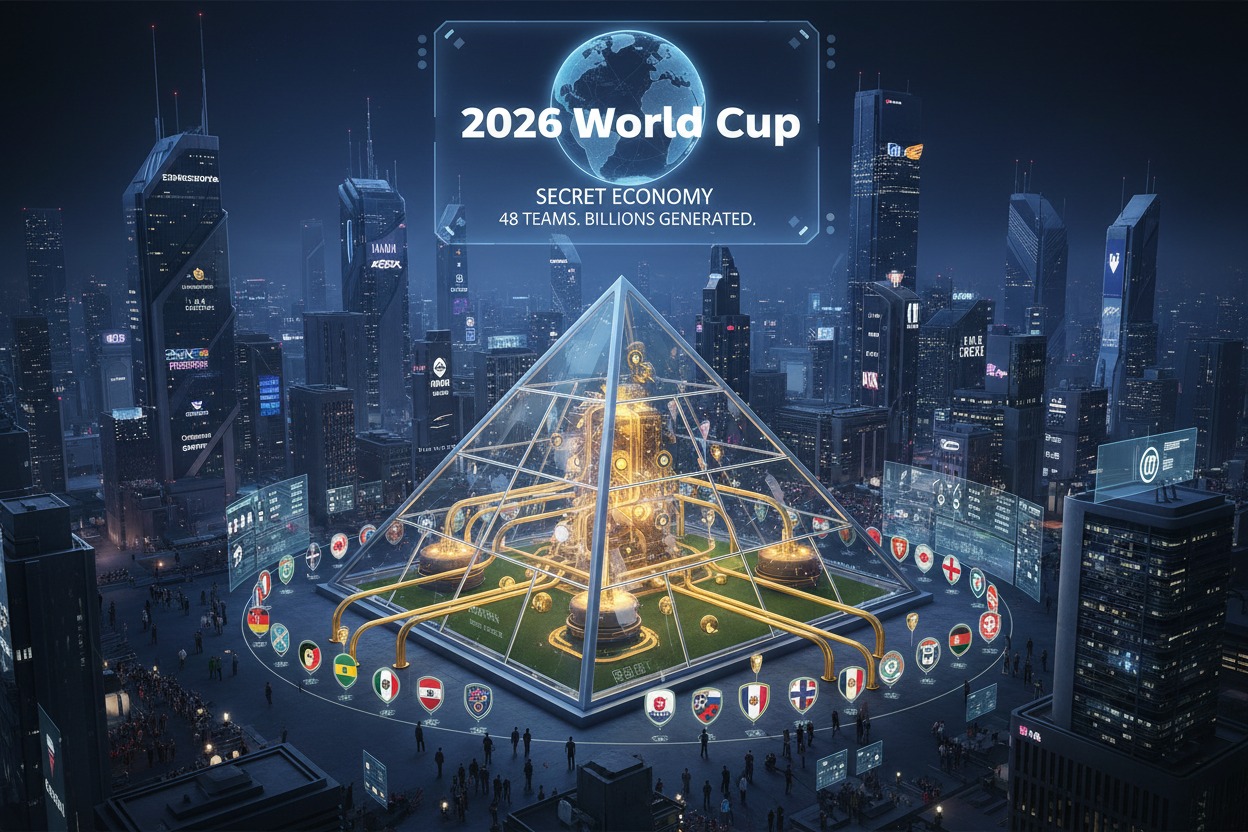
The 2026 World Cup is here, and it’s bigger than ever. For the first time, 48 teams are competing. This means more games, more fans, and a whole lot more money. We’re talking about a massive economic event. It’s not just about the sport; it’s a financial powerhouse. Let’s look at how this huge event generates billions.
Sponsorship and Advertising: Who’s Paying What and Why
Big companies want to be part of the World Cup. They pay huge sums to get their names out there. This is called sponsorship. It’s a major source of income for the event. Sponsors get to reach a massive global audience. Think about brands like Adidas, Coca-Cola, and Visa. They are all major partners. They get to put their logos everywhere. This includes on the field, on TV, and online. It’s a chance for them to connect with fans worldwide. The more teams there are, the bigger the audience. This makes the sponsorships even more valuable.
The 2026 World Cup has many tiers of sponsors. Top-tier sponsors pay the most. They get the best visibility. Lower-tier sponsors still get good exposure. They might focus on specific regions or fan groups. Advertising during the games is also very expensive. Companies know that millions of people are watching. They are willing to pay a premium for ad spots. This money helps fund the entire tournament. It also pays for prize money and infrastructure.
We are seeing record sponsorship deals for this World Cup. The expanded format with 48 teams means more games. More games mean more opportunities for advertisers. Companies are investing heavily in marketing around the event. They want to capture the attention of fans. This creates a strong financial ecosystem for the tournament. It shows how popular global events can be big business.
Player Valuations: How the Market Works
Football players are more than just athletes. They are also valuable assets. Their market value is determined by many factors. This includes their skill, age, and performance. It also depends on their popularity and brand appeal. Top players can be worth hundreds of millions of dollars. This is what teams pay to sign them. The transfer market in football is huge.
The World Cup is a major showcase for these players. Their performances during the tournament can significantly increase their value. A star player having a great World Cup could see their price tag jump. Younger players can make a name for themselves. This can lead to big moves to top clubs. The market for players is driven by demand. Top clubs want the best talent. They are willing to spend big to get it.
We’ve already seen some massive player transfers leading up to the 2026 World Cup. The pressure is on for players to perform. Their career trajectory and earning potential are tied to their success on the pitch. It’s a high-stakes environment for everyone involved. Players who perform well in this tournament will be in high demand. This drives up their valuations even further. It’s a fascinating aspect of the modern game.
Host City Economics: Impact on USA, Canada, and Mexico
Hosting the World Cup is a massive undertaking. It brings significant economic benefits to the host countries. The USA, Canada, and Mexico are sharing hosting duties this year. This means the economic impact is spread across North America. Millions of fans travel to these countries. They spend money on flights, hotels, food, and entertainment. This boosts local economies. It creates jobs in hospitality, tourism, and transportation.
Cities that host matches often see infrastructure improvements. New stadiums might be built or existing ones upgraded. Transportation networks can also be improved. These investments can have long-term benefits for the cities. They make them more attractive for future events and businesses. The increased tourism helps local businesses thrive. Small shops and restaurants can see a big increase in customers. It’s a temporary boom that can leave a lasting legacy.
The economic impact is carefully studied. Reports often show billions of dollars generated. This includes direct spending by tourists and indirect spending by businesses. The expanded tournament means more host cities. This spreads the economic benefits further. It also means more fans traveling to experience the event. The economic ripple effect is substantial. We’re seeing a lot of excitement about the boost to local economies. As one of our previous posts discussed, the tournament is already providing thrilling matches and dramatic upsets, which only adds to the fan engagement and potential economic activity.
The Business of Merchandising: Fan Products, POD Opportunities
Fans love to show their support. Merchandising is a huge part of the World Cup economy. This includes everything from jerseys and scarves to hats and keychains. Official merchandise generates significant revenue. Companies pay licensing fees to produce these items. The expanded 48-team format means more national teams. This leads to a wider variety of fan merchandise. More fans will be looking for items representing their countries.
The rise of print-on-demand (POD) services has opened new doors. Small businesses and individual designers can create unique World Cup-themed products. They can sell these items online without holding much inventory. This taps into niche markets and fan desires. It allows for more creativity and variety in the merchandise available. POD platforms handle the printing and shipping. This makes it easier for entrepreneurs to get involved. It’s a growing part of the fan economy.
We see a huge demand for player-specific items too. Limited edition collections often sell out quickly. The excitement of the tournament drives sales. It’s a constant cycle of design, production, and sales. The global reach of the World Cup means merchandise is sold everywhere. This creates a vast market for fan products. This is a key area where investors can look for opportunities. The business of fan gear is a solid performer. You can find some great fan gear related to the World Cup.
What Investors Can Learn from the World Cup Economy
The World Cup is more than just a sporting event. It’s a masterclass in global economics. Investors can learn a lot by studying how it works. First, look at the power of sponsorship. Brands pay top dollar for access to massive, engaged audiences. This shows the importance of targeted marketing. Companies with strong brand recognition and global reach do very well.
Second, understand the player market. It’s similar to other high-value asset markets. Talent, performance, and brand are key. Investing in emerging talent or strong, established teams can be profitable. Think about how sports analytics are used. They help identify undervalued assets. This is a strategy applicable in many investment fields.
Third, consider the infrastructure and tourism impact. Hosting major events drives development. It creates demand for services and goods. Companies involved in construction, hospitality, and travel benefit. This highlights the economic multiplier effect of large-scale projects. You can see more details on global economic trends and how they affect investments on sites like [Bloomberg](https://www.bloomberg.com). They cover major financial news and analysis.
Fourth, the merchandising and licensing business is robust. It shows the power of fan culture and brand loyalty. Companies that can tap into passionate fan bases often see consistent returns. The rise of e-commerce and POD makes this market more accessible. It’s a good reminder that consumer goods tied to popular events can be very lucrative. For more on business strategies and market insights, check out [Forbes](https://www.forbes.com). They offer a wealth of information for business-minded individuals.
Finally, the global nature of the World Cup is key. It’s a truly international event. This means opportunities exist across borders. Diversification is important, just like in investment portfolios. Understanding these economic drivers can help investors spot trends. They can identify potential growth areas. The World Cup shows us how sport and business are deeply connected.
Shop our World Cup fan merchandise collection