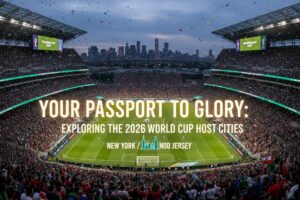
Your Ultimate Fan Guide to the 2026 World Cup Host Cities
Hey there, fellow football fanatics! Are you ready for the biggest party on the planet? The FIFA World Cup 2026 is almost here, and it’s going to be absolutely epic. This time, the tournament is breaking new ground. For the first time ever, three countries are hosting it together: the USA, Canada, and Mexico. Plus, a record 48 teams will be playing across 16 fantastic cities. That means more matches, more goals, and more chances to experience the beautiful game!
I am so excited to help you plan your trip. Whether you are following your favorite team or just soaking up the atmosphere, this guide has you covered. We will look at the amazing host cities, their stadiums, local food, and what else you can do. Let’s dive in!
United States: Football Fever Across the Nation
The USA is hosting matches in eleven cities. Each city offers a unique flavor of American culture mixed with World Cup excitement. Here are some of the key spots you will want to visit.
New York/New Jersey: The Grand Finale
The New York/New Jersey Stadium, officially MetLife Stadium, is in East Rutherford, New Jersey. This massive venue will host eight matches, including the big one: the 2026 World Cup Final on July 19!
Even though the stadium is in New Jersey, you are super close to New York City. The Big Apple has endless things to do. You can see world-famous sights like Times Square, the Statue of Liberty, and Central Park. For a unique experience right by the stadium, check out American Dream. It is a huge entertainment complex with an indoor theme park, a water park, and even an indoor ski slope. If you want great food before or after a match, try the Ironbound District in Newark, New Jersey. It has amazing Portuguese and Brazilian food.
Los Angeles: Sunshine and Soccer
In sunny Los Angeles, matches will happen at SoFi Stadium. This stadium is in Inglewood, California. It will host the U.S. opening match.
Los Angeles is a city of stars, beaches, and incredible food. You can visit Hollywood, relax on Santa Monica Beach, or explore diverse neighborhoods. For foodies, Los Angeles offers amazing international cuisine and world-class pizza. You can also try Pacific Salmon Ceviche at the stadium for a refreshing snack. The city also has fan zones planned, like at Earvin “Magic” Johnson Park and Whittier Narrows, offering live screenings and cultural events.
Miami: Tropical Vibes and Goal Celebrations
Miami’s Hard Rock Stadium will be a hot spot for matches, including a quarterfinal and the third-place match. The city is known for its beautiful beaches, vibrant nightlife, and rich Cuban culture.
Make sure to hit up South Beach, explore the Art Deco Historic District, and try some delicious Cuban food. Enriqueta’s Sandwich Shop is famous for its Cuban sandwiches. You can also find fresh fruit juices at El Palacio de los Jugos. At the stadium, you might even find Mango Chili Ice Cream, served in a soccer ball-shaped waffle cone. Miami-Dade County is also setting up a 23-day Fan Fest at Bayfront Park, expecting over 600,000 visitors.
Dallas: Everything’s Bigger in Texas
Dallas Stadium, also known as AT&T Stadium in Arlington, Texas, will host nine matches, including a semifinal! That is more games than any other U.S. host city.
Dallas offers a mix of modern city life and cowboy culture. You can visit the Dallas Arts District, see the panoramic views from Reunion Tower, or explore Fair Park, which hosts the FIFA Fan Festival. Downtown Arlington, just minutes from the stadium, has local restaurants, bars, and live music. Don’t forget to try the Truffle-Laced Pizza Rolls at the stadium for a unique treat.
Canada: Northern Hospitality Meets World-Class Football
Canada is hosting matches in two fantastic cities. They both offer stunning scenery and cool city experiences.
Toronto: Urban Energy on the Lake
Toronto Stadium, or BMO Field, will be home to World Cup matches. Toronto is a big, diverse city with lots to see and do.
You can go up the CN Tower for amazing views, explore the Distillery District for unique shops and art, or visit the Royal Ontario Museum. Toronto is a food lover’s dream, with a huge variety of international cuisines. At the stadium, you could find Bison Biryani, a tasty mix of spices and Canadian beef.
Vancouver: Mountains, Ocean, and Soccer
BC Place Stadium in Vancouver will host seven matches, including a game where Canada plays on home soil. Vancouver is a beautiful city set between mountains and the Pacific Ocean.
You must explore Stanley Park, ride the SkyTrain, and enjoy the city’s vibrant food scene, especially its famous sushi. The city is known for being culturally diverse. For a stadium snack, try the Plant-Based Poutine, a comfort food classic with a twist. Vancouver will also have an Official Celebration Site at the PNE (Pacific National Exhibition) with big screens, food trucks, and live music.
Mexico: A Fiesta of Football, Culture, and Food
Mexico is welcoming the world in three historic cities. Get ready for incredible culture and delicious food!
Mexico City: The Heart of Mexico
Mexico City Stadium, formerly Estadio Azteca, is an iconic venue. It will host group stage matches and knockout rounds. Mexico City is huge and full of history and modern life.
You should visit the Zócalo, the historic city center, and Chapultepec Park. The food scene here is legendary, from street tacos to high-end restaurants. Tacos al pastor are a must-try, with marinated pork shaved from a rotating spit. You can also find esquites, a corn snack with mayonnaise, chili, and cheese. For a stadium treat, look for Saffron-Infused Tostadas. Mexico City plans to have 18 public fan zones broadcasting matches for free.
Guadalajara: Tequila and Tradition
Estadio Akron, or Estadio Guadalajara, will host group stage matches. Guadalajara is the home of mariachi music and tequila. It offers a taste of traditional Mexican culture.
Explore the historic center, visit the Guadalajara Cathedral, and maybe even take a trip to Tequila, Jalisco, the birthplace of the famous drink. When it comes to food, you must try torta ahogada, a “drowned” sandwich in a spicy sauce, and birria de chivo, a rich goat stew.
Monterrey: Industrial Charm and Northern Flavors
Estadio BBVA, or Estadio Monterrey, will host group stage and Round of 32 matches. Monterrey is a modern, industrial city surrounded by mountains.
You can visit Fundidora Park, a large urban park built on an old steel mill, or hike in the nearby Sierra Madre Oriental mountains. For food, Monterrey is known for its Northern Mexican cuisine. Try cabrito al pastor (roasted goat) and arrachera tacos (skirt steak tacos).
Fan Zones: Where to Watch Matches with Fellow Fans
Even if you do not have tickets to every match, you can still feel the electric atmosphere in the official Fan Zones. These are set up in host cities and offer giant screens to watch games, live music, food, and activities.
For example, New York/New Jersey has fan zones at Rockefeller Center, Brooklyn Bridge Park, and Staten Island. Dallas hosts its FIFA Fan Festival at Fair Park. In Vancouver, the Official Celebration Site is at the PNE. These spots are perfect for meeting fans from all over the world and experiencing the joy of the World Cup together. Remember, many fan zones are free and open to the public.
Travel Tips: Making Your World Cup Dream a Reality
Going to the World Cup is a big deal. Here are some tips to make your trip smooth and fun.
Budgeting for Your Trip
World Cup trips can be expensive, but smart planning helps a lot. A short trip might cost between $1,500 and $3,000 per person. Some cities, like Seattle, might be more budget-friendly than others.
- Book Early: Flights and hotels get more expensive closer to the event. Book as soon as you can.
- Compare Cities: Look at different host cities. Some might have lower hotel and flight costs.
- Stay Outside City Centers: Hotels right in the city or next to stadiums will be pricey. Look for places in nearby suburbs with good public transport.
- Cook Your Own Meals: If you get an Airbnb or a place with a kitchen, cooking some meals can save a lot of money.
- Use Public Transport: This is almost always cheaper than taxis or rideshares, especially on match days.
Transportation Between Cities and to Stadiums
Getting around during the World Cup needs good planning. Many host cities are pushing for “car-free” plans around stadiums. Public transport or shuttles are often recommended.
- Public Transit: Most host cities have excellent public transportation. For example, in New York/New Jersey, NJ Transit will have expanded rail service to MetLife Stadium. Dallas uses DART light rail and buses, and your match ticket might even include transportation to the stadium.
- Shuttles: Many stadiums will have dedicated shuttle services for ticket holders. Miami offers free roundtrip shuttle service from transit hubs to Hard Rock Stadium.
- Rideshares: Uber and Lyft will be available, but expect surge pricing and designated drop-off/pick-up spots that might be a walk from the stadium.
- Ground Transport: For nearby host cities, consider trains or buses instead of flying to save money.
Tickets: How to Score Your Seat
Tickets for the World Cup can be bought through official FIFA sales phases. If you missed earlier phases, you can still find tickets.
- Official Sources: Always buy tickets from the official FIFA platform or authorized sellers like Ticketmaster. Be careful of third-party resale sites, as they can have huge markups or be fraudulent.
- Ticket Types: You can get single match tickets, venue-specific packages (for several matches in one stadium), or team-specific packages (for your team’s group stage games).
- Resale Market: FIFA has an official Resale/Exchange Marketplace. This is the safest way to buy resale tickets.
- Group Stage vs. Knockout: Group stage tickets are generally more affordable. Prices can start around $120 for Category 3 seats. Knockout rounds and the final will cost much more.
You can learn more about how technology is helping shape the tournament by reading How AI Is Revolutionizing the 2026 World Cup: Data, VAR, and Predictive Models.
Safety First
Attending a huge international event means thinking about safety.
- Stay Aware: Be mindful of your surroundings, especially in large crowds and fan zones. Plan a meeting spot if you get separated from friends or family.
- Heat Safety: Matches are happening in summer. Many cities, like Miami, will be very hot. Drink plenty of water, wear light clothing, and seek shade. FIFA will provide hydration stations and cooling tents.
- Prohibited Items: Stadiums have strict rules about what you can bring in. Expect airport-style security. You can bring one factory-sealed, soft plastic 20-ounce disposable water bottle into U.S. and Canadian venues.
- Emergency Info: Know how to contact emergency services (911 in the USA). Download the FEMA App for alerts in the areas you are visiting.
- Food Safety: Be careful with food, especially from street vendors. Choose businesses that are permitted and inspected by local health departments.
For more general travel advice, you can check out trusted travel sites like Lonely Planet or Rick Steves’ Europe.
Conclusion: A Once-in-a-Lifetime Experience
The 2026 World Cup is going to be truly special. It is the first time three countries are hosting, and with 48 teams, it will be the biggest tournament ever. You have the chance to experience incredible football, explore diverse cultures, and make memories that will last a lifetime.
From the vibrant streets of Mexico City to the stunning landscapes of Vancouver and the bustling cities of the USA, this World Cup offers something for everyone. Get ready to cheer, explore, and be part of history!
We believe in empowering you to travel smart and live fully. Find more great tips and resources at Quotedesigner.
Get your World Cup merchandise before the final!